
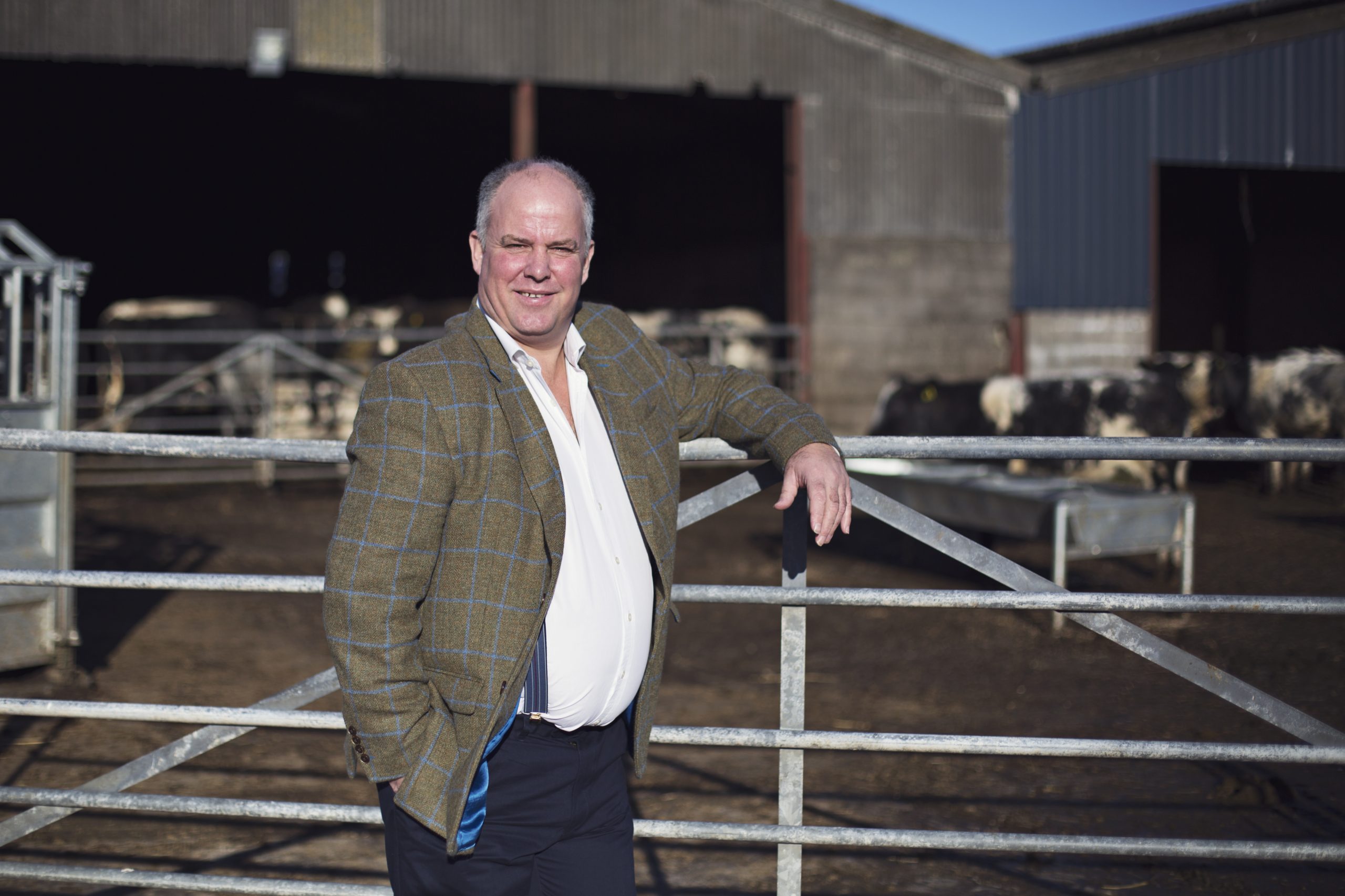
Welsh Conservative Shadow Environment Minister Andrew RT Davies has called for a rethink on rules regarding wildfire prevention measures across Wales.
Addressing the Senedd’s Climate Change, Environment, Sustainability and Rural Affairs Committee, Mr Davies spoke of a visit to Llangynidr in Powys, where common land was affected by wildfires.
He said that farmers grazing the common had told him the number of sheep had halved from 5,000 to 2,500, which meant there were fewer animals to consume flammable vegetation.
He called for “a more balanced approach” to allowing stock to graze such open spaces to reduce the fuel that powers wildfires.
He also said a rethink was required on the rules that allow firebreaks to be put in, to prevent the risk of fires spreading.
Mr Davies said:
“Wildfires posed serious dangers over the summer, with communities across Wales affected.
“When I visited Llangynidir, it was obvious increasing grazing and introducing firebreaks would reduce the fuel that powers these fires.
“A rethink on the rules surrounding both is required urgently to keep our communities safe.”
ENDS
NOTE: Please find below the record of proceedings of the Senedd’s Climate Change, Environment, Sustainability and Rural Affairs Committee from Wednesday 23rd September
https://record.senedd.wales/Committee/16233#C771783
Andrew R.T. Davies
09:44:19
Thank you. Minister, I was particularly taken when I went up to Llangynidr by the scale of the fire that was up there. In a Welsh sense, it was huge. I appreciate on an international scale it was relatively modest, but it was huge in relation to a Welsh fire, and two things struck me. I met Brian and Julian, Julian being one of the graziers there, and he was saying that the number of sheep that grazed that particular common had gone down from 5,000 to 2,500, and so the fuel that was there to power the fire, obviously, is enormous. And the other thing that struck me was the firebreaks that, under the direction of the fire service, they’d had to put in overnight to try and stem the flow of the fire. On the firebreaks, just looking at it—and I can understand why—they had to go down to the rock. I can imagine in peacetime, if you like, when there’s no fire, you engaging with NRW as a grazier, or as someone who uses that common, you’d be locked up for a decade or more trying to persuade them of the merits of putting that firebreak in. Would you agree that on firebreaks and managing the commons and open spaces, there needs to be a rethink of the ground rules that allow these firebreaks to be put in, so that we are having management tools in place that reflect the conditions we now have with the climate change that we’re seeing? And on grazing, would you agree with me that there does need to be a more balanced approach to allowing stock to graze these open spaces and try and reintroduce grazing to take down that fuel stock that grows on those open spaces that powers these fires?
Llyr Gruffydd
09:46:03
The short answer to both points you make is ‘yes’. On grazing, the one word that you didn’t use was ‘managed’. I think we need to manage the grazing, but I think it clearly is something that we now need to reflect on. I’ve been clear about a suckler herd and the potential there to do a bit more in terms of support through the SFS. So, encouraging that kind of grazing is something that I am keen to pursue. What was the other one, sorry?
Andrew R.T. Davies
09:46:29
The firebreaks.
Llyr Gruffydd
09:46:30
The firebreaks, yes. Well, yes, exactly—
Andrew R.T. Davies
09:46:31
I’m assuming NRW are the management agency who you’d go to to try and do that in what I call peacetime, rather than the crisis of where you have the fire.
Llyr Gruffydd
09:46:39
Yes, and I agree as well. This now is where I think the wildfire summit in October will be useful, because it will bring all of the players. It will bring the farming representatives, it will bring NRW, Government, local authorities, the fire and rescue services all together on the table so that we can start bottoming out some of these work streams, basically, that we need to now pursue with greater urgency. And for me, in terms of my broad responsibility around land management, then these are the kinds of interventions I think that we really need to try and bake into the way that we encourage land managers to operate in the future. What that looks like exactly is up for discussion, but certainly those are the kinds of interventions. I listed other things earlier as well around peatland and creating lagoons, ponds or something, and whether those can be used then at times of need—all of that comes into the mix. But I see the summit on 22 October as the kick-start for that discussion in earnest.
Comments are closed